Why "AI consulting" is suddenly a thing
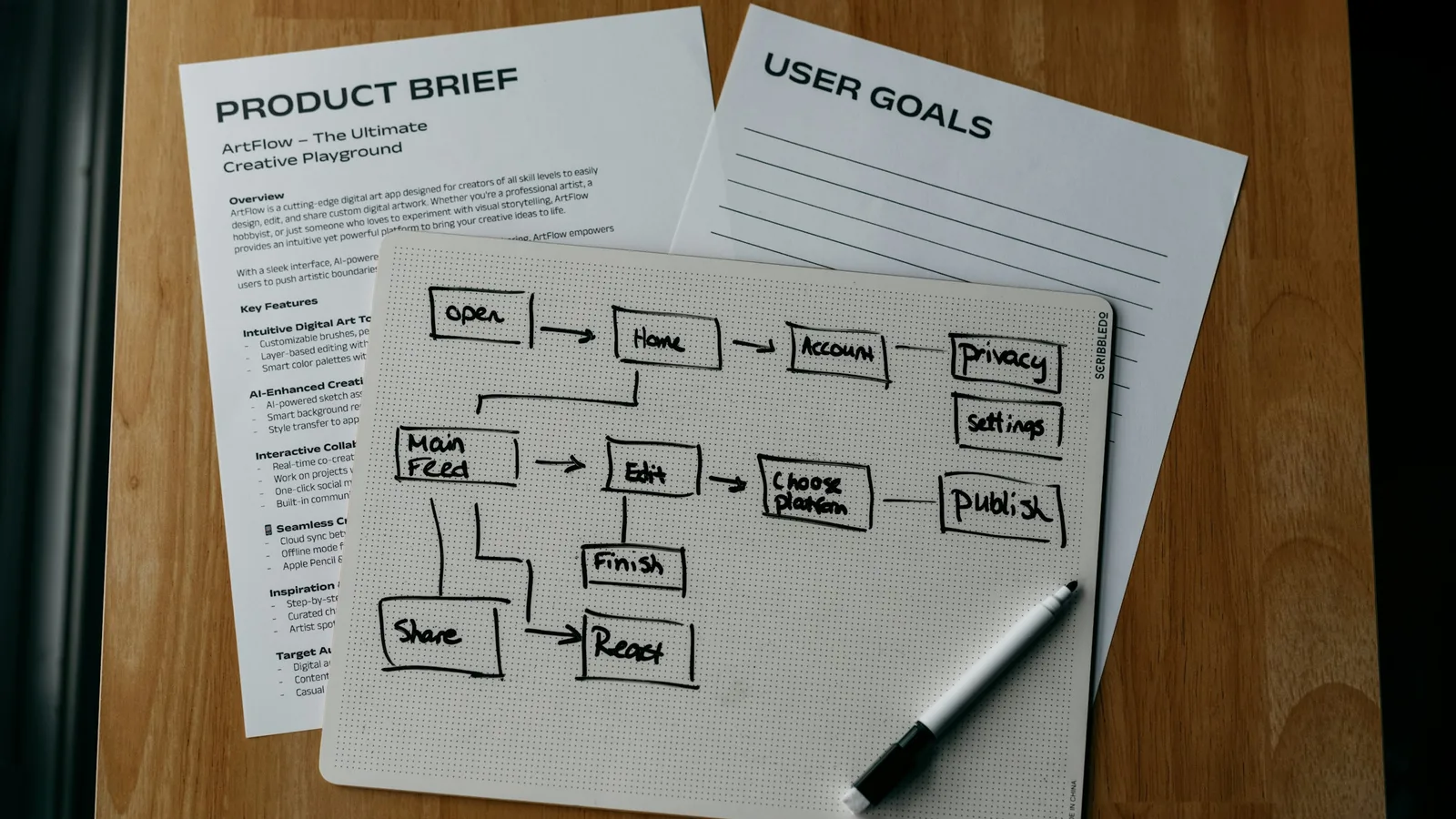
Ask a room of Salt Lake City business owners who has used ChatGPT and nearly every hand goes up. Ask who has it connected to their booking system, their point of sale, or their phone line, and the room goes quiet. That gap is the whole reason AI consulting exists in 2026. The tools are cheap and everywhere. What most small businesses are missing is not a tool. It is the process map that says which task to hand off, in what order, and the wiring that connects the tool to the software the business already runs on.
That matters because the hours a small business loses are not lost to hard problems. They are lost to the same six or seven chores, repeated every day, by the one person who cannot be replaced: the owner. A plumber in Sandy does not need a language model to diagnose a leak. He needs the missed call at 2pm to turn into a booked job without him stopping on the side of the road to text back.
What an AI consultant actually does
Strip away the jargon and a good AI consultant does four things, in this order:
- Maps one week of your repeat work. Every call, quote, booking, invoice, reminder, listing update and report. Each one gets a rough hours-per-week number and a note on how predictable it is.
- Decides where AI belongs, and where it does not. Plenty of repeat work is better handled by a plain rule ("when a form is submitted, create the calendar event") than by a model. AI earns its place only where a step needs judgment: reading a messy email, answering a caller, drafting a quote from a half-described job.
- Connects it to what you already run. The booking tool, the point of sale, the email account, the calendar, the phone line. Most of the work is integration, not intelligence.
- Hands it off. Documentation your team can follow, accounts in your name, and an off-switch you can reach without calling anyone.
Notice what is not on that list: a slide deck about "AI transformation," a new subscription for every problem, or a chatbot bolted to the corner of your homepage. If a consultant leads with any of those, keep looking.
Where the hours actually hide
Across the businesses we work with, from barbershops to boarding stables, the time loss clusters in the same six places. If you want to know where to start, start here.
- The phone. Every call you miss during a job is a lead deciding whether to try the next listing. An AI receptionist that answers, takes the booking or the message, texts the caller back, and hands anything odd to a person turns a missed call into a conversation you can finish later.
- Quotes and follow-up. The quote that takes you forty minutes to write at 9pm, and then nobody chases, is the most expensive document in your business. A draft written from your own price book, approved by you, sent, and followed up at day three and day seven, closes more work than any ad.
- Scheduling and reminders. Booking to calendar to confirmation to reminder to review request, with no clicks. InNate Bodywork in Salt Lake City runs booking, payment and confirmations from its own site (we wrote up how that works), and a horse boarding business in Washington told us the automatic confirmations and drop-off reminders freed up enough of the day that the owner actually gets to focus on the horses.
- Invoices and bookkeeping. Job done, invoice out, payment matched, receipt issued, late invoice nudged. Stripe, Square, QuickBooks and the CRM kept in step without anyone retyping numbers.
- Listings and content. A price or menu change should be typed once and land on the website, the Google Business Profile and the in-store screens together. A soda shop in Salt Lake used to spend hours a week on TV menus that now update on their own.
- Reporting. Leads, sales, reviews and ad spend in a plain-English summary every Monday morning, instead of five dashboards nobody opens. For a resort client we track which travel guides send bookings the same way.
The hours a small business loses are not lost to hard problems. They are lost to the same six chores, repeated daily, by the one person who cannot be replaced.
Where AI does not belong
The fastest way to lose trust in automation is to put it somewhere it should not be. Three rules have held up for us:
- A person approves anything that moves money. Drafts, reminders and receipts can go out on their own. Charges, refunds and anything that changes a price wait for a tap from you.
- Judgment calls that affect a customer stay human. An assistant can collect the details of a complaint. It should not decide how to resolve it.
- Customer-facing AI always has an exit. The moment a caller or a visitor asks something outside the script, a human gets the handoff, and the customer is told what they were talking to. Losing a little polish beats a customer feeling tricked.
Add one more: do not automate anything built on data you do not own. If the consultant creates the AI account, the API keys and the integrations under their own login, you have not bought an automation. You have rented one.
How to pick the first workflow
You do not need a strategy. You need one win that pays for itself, and then a second. Score each candidate task against three tests:
- Frequency. Does it happen more than three times a week? Anything rarer is not worth wiring up yet.
- A clear trigger. Does something specific start it, like a form, a call, a sale, or a date? "When I get around to it" is not a trigger.
- A clear finish line. Can you say exactly what "done" looks like? A sent email, a calendar event, an updated row.
The task that passes all three with the most hours attached is your pilot. Run it alongside the manual way for a week, count the hours it gives back, and only then add the next one. For most service businesses the pilot ends up being missed-call follow-up, quote follow-up, or the booking-to-reminder-to-review chain.
Questions to ask anyone who calls themselves an AI consultant
The field is new enough that the title means very little. These questions sort out who has shipped something from who has read about it:
- Who owns the accounts, the API keys and the data when this is done?
- What happens to the automations if we stop working together?
- Where is the off-switch, and can I reach it without you?
- Which of these steps need a model at all, and which are just rules?
- Does this need any new paid tools? Why, and who pays the vendor?
- How will we know in thirty days whether it worked?
- Can you show me one of these running for a business like mine?
A good answer to the last one is a live example and a phone number you can call. A bad answer is a deck.
What it costs, and how to think about it
Pricing in this field is all over the map, from hourly rates to monthly retainers to "AI packages" that bundle tools you may never use. The model we think is fair, and the one we use, is per workflow: scope it on a call, quote it as one flat number in writing before anything is built, and compare that number against the hours the workflow gives back every week. If the math does not work, a good consultant says so and points you at a cheaper fix, which is often a better form on your website or a setting in a tool you already pay for.
Ongoing tuning is optional. Automations that are built right mostly keep running. What changes is your business, and that is when a short check-in is worth more than a standing retainer.
Start with the task you hate most
If you want a second opinion on where AI fits in your business, book a free thirty-minute AI audit call. Bring the chore you dread. We will map the week with you and you leave with a ranked list of what to automate first, whether or not you hire us for the build. The longer version of how we run an engagement, including the guardrails, is on our AI consulting and automation page.